
Quick Answer
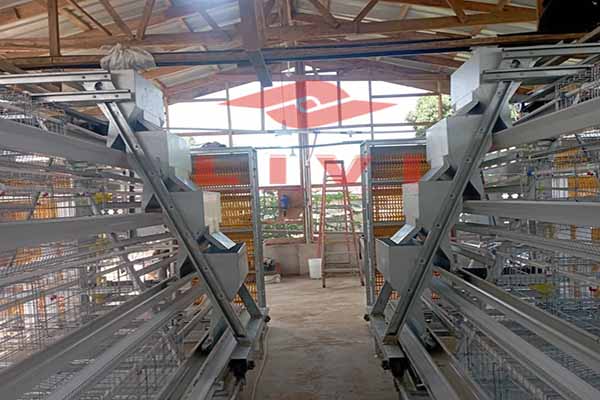
Starting a commercial layer farm requires more than purchasing chickens and poultry equipment. A successful egg production farm needs a complete production system that includes farm planning, suitable housing design, efficient layer cage systems, automatic feeding and drinking systems, manure management and environmental control.
For investors in Africa, the key to building a profitable layer farm is selecting the right production scale, designing an efficient farm layout and choosing equipment that matches local climate conditions, labor availability and future expansion plans.
A well-designed commercial layer farm can help improve production efficiency, reduce operating costs and achieve stable egg production through modern poultry farming technology.
Why Choose Commercial Layer Farming in Africa?
Egg production has become an important agricultural business opportunity in many African markets. With increasing demand for affordable animal protein, commercial layer farms provide opportunities for food supply development, agricultural investment and regional market growth.
Compared with small-scale poultry farming, commercial layer farming focuses on efficiency, stability and long-term operation.
Growing Demand for Egg Production
Eggs are widely consumed because they provide affordable nutrition and have strong market demand.
Commercial layer farms can support:
- Stable egg supply for local communities
- Large-scale commercial production
- Regional egg distribution
- Agricultural business development
As market demand increases, many investors are upgrading from traditional farming methods to modern poultry production systems.
Advantages of Commercial Layer Farming
A professionally designed layer farm provides several advantages:
- Higher production efficiency
- Better use of labor resources
- Improved farm management
- More stable production performance
- Easier expansion for future growth
However, successful poultry farming requires careful planning before construction and equipment installation.
What Should You Consider Before Starting a Layer Farm?
Before building a commercial layer farm, investors should evaluate several important factors, including farm location, production capacity, infrastructure and equipment requirements.
Farm Location and Infrastructure Planning
The farm location directly affects long-term operation efficiency.
Important considerations include:
- Available land area
- Water supply availability
- Electricity stability
- Transportation conditions
- Feed supply chain
- Biosecurity requirements
A suitable location can reduce operational challenges and improve daily farm management.
Infrastructure planning should also consider:
- Poultry house arrangement
- Equipment installation requirements
- Worker movement routes
- Maintenance access
- Future expansion possibilities
Production Capacity and Business Planning
Determining the right production scale is one of the most important steps when starting a layer farm.
Investors should consider:
- Target egg production capacity
- Market demand
- Investment budget
- Farm management capability
- Expansion strategy
Different farm sizes require different levels of automation, equipment configuration and management systems.
A medium-scale commercial farm, such as a 20,000-layer project, requires professional planning to balance investment cost and production efficiency.
How to Design a Commercial Layer Farm?
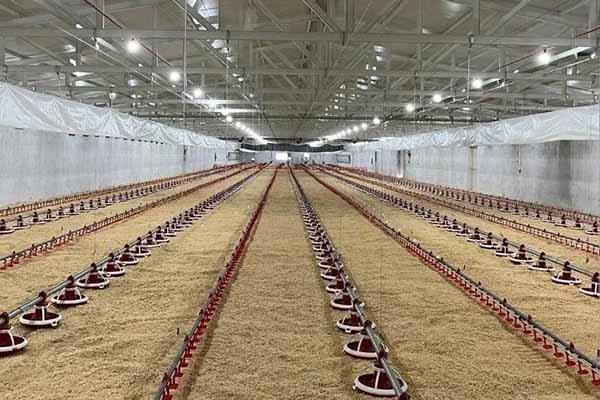
A successful commercial layer farm requires integration between poultry housing, equipment systems and daily operation processes.
The farm design should include:
- Poultry house structure
- Layer cage arrangement
- Feeding system layout
- Drinking system installation
- Manure management planning
- Ventilation and environmental control
A complete design approach helps ensure that all systems work together efficiently.
Poultry House Design Requirements
The poultry house should be designed according to:
- Bird capacity
- Cage system type
- Local climate conditions
- Ventilation requirements
- Management methods
Important design factors include:
- House dimensions
- Cage placement
- Airflow direction
- Equipment positioning
- Worker operation areas
Proper poultry house design helps maintain a suitable environment for laying hens and improves management efficiency.
Future Expansion Planning
A commercial poultry farm should consider future development during the initial design stage.
Expansion planning may include:
- Additional poultry houses
- Increased production capacity
- Upgraded automation systems
- Additional equipment installation
A scalable farm design allows investors to expand production without major reconstruction.
Selecting the Right Layer Cage System
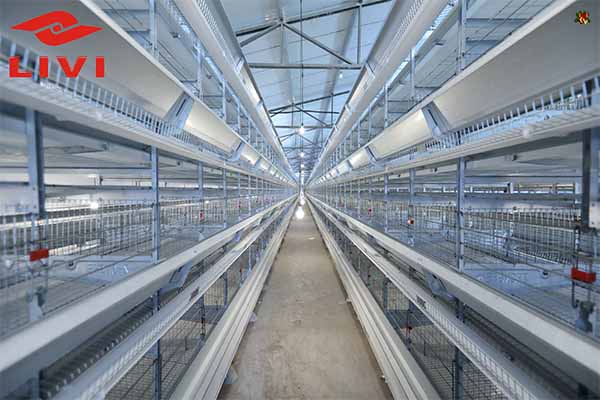
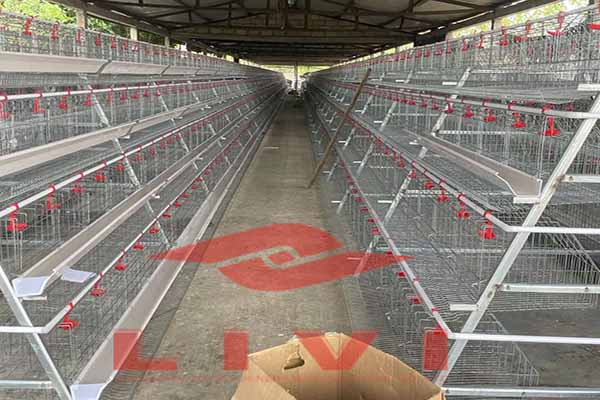
The layer cage system is the core production equipment of an intensive egg farm.
Choosing the correct cage system affects:
- Space utilization
- Bird management efficiency
- Feeding performance
- Labor requirements
- Production stability
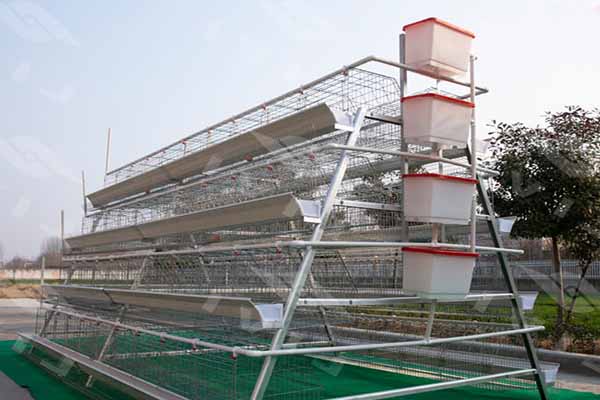
H Type Layer Cage System
The H Type Layer Cage System is widely used in modern commercial layer farms.
Its main advantages include:
- Efficient use of poultry house space
- Suitable for large-scale production
- Better flock management
- Easy integration with automatic equipment systems
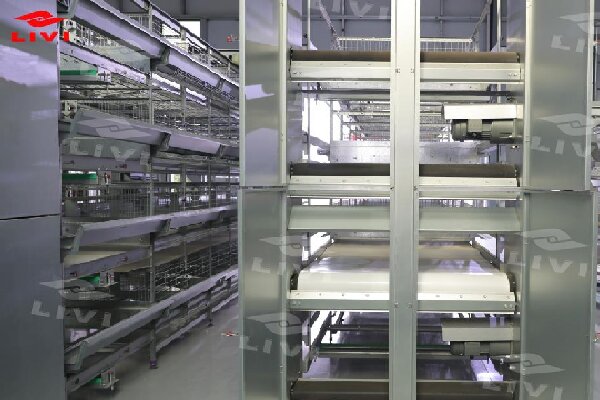
When selecting a layer cage system, investors should consider:
- Farm capacity
- House dimensions
- Automation requirements
- Investment plan
- Future expansion needs
A properly configured cage system helps improve overall farm efficiency and simplifies daily management.
Essential Equipment for a Commercial Layer Farm
A modern layer farm requires multiple equipment systems working together to maintain stable production.
The main systems include:
- Layer cage system
- Automatic feeding system
- Automatic drinking system
- Manure removal system
- Ventilation and climate control system
Automatic Feeding System
Feed management directly affects egg production performance.
Automatic feeding systems help provide:
- More uniform feed distribution
- Reduced feed waste
- Lower labor requirements
- Stable feeding schedules
Compared with manual feeding, automated systems improve feeding accuracy and help maintain consistent production conditions.
Automatic Drinking System
Water management is equally important for laying hens.
A modern drinking system provides:
- Continuous water supply
- Better hygiene conditions
- Stable water pressure
- Reduced contamination risks
Reliable drinking systems help maintain bird health and support stable egg production.
Automatic Manure Removal System
Manure management affects poultry house hygiene and environmental conditions.
Automatic manure removal systems help:
- Reduce ammonia accumulation
- Improve air quality
- Reduce manual cleaning work
- Create a cleaner working environment
Efficient manure management is especially important for medium and large-scale poultry farms.
Ventilation and Climate Control System
Climate control plays an important role in commercial poultry farming, especially in hot regions.
Poor environmental conditions may lead to:
- Heat stress
- Reduced feed intake
- Poor production performance
- Increased disease risk
A complete climate control system may include:
- Exhaust fans
- Air inlet systems
- Cooling equipment
- Environmental controllers
Maintaining suitable temperature, humidity and airflow helps improve flock performance.
How Much Does It Cost to Start a Layer Farm?
The investment cost of a commercial layer farm depends on multiple factors.
Major cost components include:
- Poultry house construction
- Layer cage system
- Feeding equipment
- Drinking equipment
- Manure management system
- Ventilation system
- Installation and technical support
The final investment depends on:
- Farm capacity
- Equipment configuration
- Automation level
- Local construction costs
- Transportation conditions
Main Factors Affecting Layer Farm Investment
Several factors influence the total project cost:
Farm Scale
Larger farms usually require higher initial investment but can achieve better production efficiency through economies of scale.
Equipment Configuration
Automation level has a significant impact on investment.
A fully automated farm may require higher initial costs but can reduce labor expenses and improve operational stability.
Local Conditions
Construction costs, climate conditions and infrastructure availability vary between regions.
Professional project planning helps investors choose suitable solutions based on local conditions.
Automation vs Traditional Layer Farming
Traditional poultry farms often depend heavily on manual labor, while modern commercial farms increasingly use automated systems.
Automation improves farm efficiency by reducing repetitive tasks and improving production consistency.
Improve Labor Efficiency
Automatic systems reduce manual work related to:
- Feeding
- Drinking management
- Manure cleaning
- Daily equipment operation
Workers can spend more time monitoring flock health and managing production performance.
Improve Production Stability
Automated equipment helps maintain:
- Consistent feeding schedules
- Stable water supply
- Better environmental conditions
- More reliable farm operation
For commercial farms, automation is an important investment for long-term development.
Common Mistakes When Starting a Layer Farm
Many poultry investment problems occur because of insufficient planning before construction.
Choosing Equipment Before Farm Design
Some investors select equipment without considering:
- Poultry house dimensions
- Ventilation requirements
- Workflow design
- Future expansion
A professional farm design should be completed before equipment purchasing.
Ignoring Climate Management
Climate conditions have a significant impact on poultry performance.
Especially in hot and humid regions, farms need effective solutions for:
- Temperature control
- Air circulation
- Humidity management
- Heat stress reduction
No Future Expansion Planning
A farm should not only meet current production targets but also support future growth.
Investors should consider:
- Additional production capacity
- Land availability
- Equipment compatibility
- Infrastructure upgrades
Step-by-Step Process to Build a Commercial Layer Farm
Building a commercial layer farm requires a systematic process from planning to operation.
Step 1: Market and Investment Planning
The first step is evaluating:
- Local egg demand
- Investment capability
- Production goals
- Business development strategy
A clear business plan helps determine the suitable farm scale.
Step 2: Farm Engineering Design
Professional farm design should include:
- Poultry house layout
- Equipment configuration
- Environmental control planning
- Operation workflow
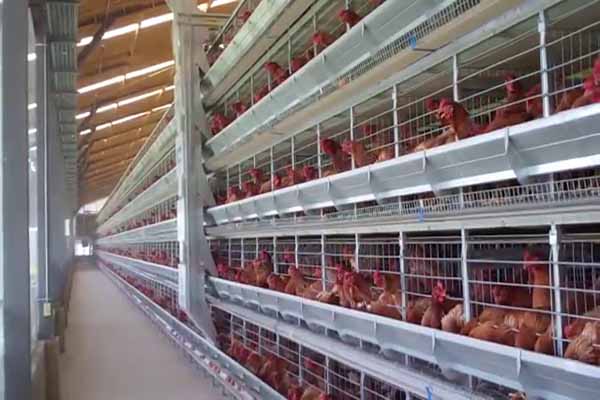
A complete design reduces construction risks and improves future operation efficiency.
Step 3: Equipment Manufacturing and Quality Control
Reliable poultry equipment requires strict manufacturing and quality control processes.
Important quality procedures include:
- Material inspection
- Production testing
- Component checking
- System verification
Quality equipment improves reliability and reduces maintenance requirements.
Step 4: Installation and Technical Support
Professional installation ensures that equipment operates correctly.
Installation support may include:
- Equipment assembly guidance
- System adjustment
- Operation training
- Technical assistance
Proper installation helps achieve the expected performance of the poultry farming system.
How to Improve Egg Production Efficiency?
Improving egg production requires cooperation between equipment, management and environmental control.
Key factors include:
- Proper cage system selection
- Balanced feed management
- Stable environmental conditions
- Effective farm management
Modern poultry farming systems help investors achieve:
- Better production consistency
- Lower labor requirements
- Improved operational control
- Sustainable farm development
Why Choose a Professional Poultry Equipment Supplier?
A professional poultry equipment supplier should provide more than individual machines.
A complete partner should support:
- Farm planning
- Equipment selection
- System integration
- Installation guidance
- Technical service
For commercial layer farms, choosing the right supplier helps reduce project risks and improves long-term operation performance.
A complete poultry farming solution allows investors to build efficient, scalable and reliable egg production systems.
FAQ About Starting a Layer Farm
How many chickens should I start with for a layer farm?
The suitable farm size depends on:
- Investment budget
- Market demand
- Available land
- Management experience
- Expansion goals
Commercial farms should select a production scale that matches business objectives.
Is automation necessary for commercial layer farms?
For medium and large-scale farms, automation is highly recommended.
Automated systems help improve:
- Labor efficiency
- Feeding accuracy
- Environmental management
- Production stability
Which cage system is suitable for large layer farms?
H Type Layer Cage Systems are widely used in commercial layer farms because they provide:
- Efficient space utilization
- Better management convenience
- Compatibility with automated systems
How can I reduce layer farm operating costs?
Operating costs can be reduced through:
- Improving automation
- Reducing feed waste
- Optimizing environmental control
- Improving manure management efficiency
Long-term profitability depends on both equipment selection and daily farm management.
Conclusion
Starting a layer farm in Africa requires careful planning, suitable equipment selection and professional management.
A successful commercial egg farm combines:
- Proper farm design
- Efficient layer cage systems
- Automatic farming equipment
- Climate control solutions
- Long-term expansion planning
By adopting modern poultry farming technology and professional project planning, investors can build efficient and sustainable egg production systems.