
Quick Answer
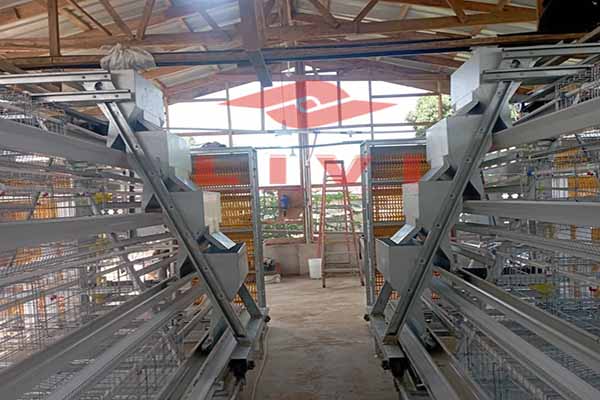
A 20,000 layer farm solution in Malawi requires a complete commercial egg production system that combines poultry farm design, equipment configuration, environmental management and long-term development planning.
For investors planning a commercial egg farm, the key challenge is not simply purchasing poultry equipment, but creating a reliable production system that can operate efficiently under local climate conditions, labor availability and market requirements.
A complete 20,000 layer farm solution normally includes:
- Commercial poultry house design
- Farm layout planning
- H Type Layer Cage System
- Automatic feeding and drinking system
- Manure removal system
- Ventilation and environmental control system
- Installation and technical support
The final project configuration should be customized according to:
- Available land area
- Investment budget
- Production target
- Automation requirements
- Future expansion plan
20,000 Layer Farm Development Overview
A 20,000-layer farm is a practical commercial scale for investors who want to establish a professional egg production business in Malawi.
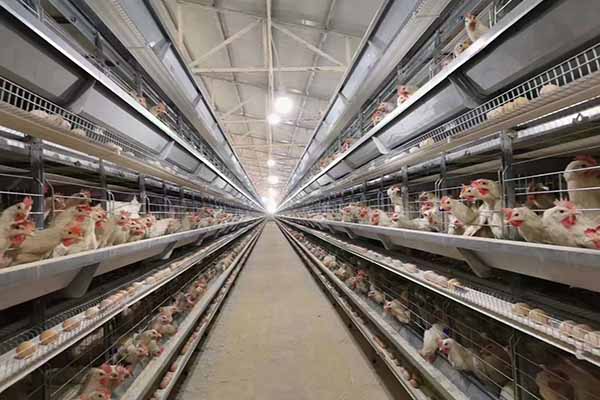
At this production level, the farm can introduce modern poultry farming equipment while maintaining reasonable investment requirements and manageable operation complexity.
Compared with small-scale layer farms, a 20,000-layer project provides:
- Higher egg production capacity
- Better production consistency
- Improved labor efficiency
- More professional farm management
Compared with very large-scale poultry projects, this capacity allows investors to control initial investment while keeping the possibility of future expansion.
A successful commercial layer farm requires coordination between:
- Farm infrastructure
- Poultry equipment
- Environmental control
- Daily management process
- Future development planning
A professional solution should focus on building a complete production system rather than selecting individual machines separately.
Key Planning Considerations for a Malawi Layer Farm
Before developing a 20,000 layer farm project, investors should evaluate several important factors that influence production efficiency, investment requirements and long-term operation.
Farm Location and Infrastructure Requirements
A professional layer farm project design should begin with evaluating the basic infrastructure conditions.
Important considerations include:
- Available land area
- Water supply
- Electricity availability
- Transportation conditions
- Feed supply access
- Biosecurity requirements
A suitable farm location helps reduce operational challenges and supports efficient daily management.
Proper planning at the beginning stage can improve:
- Equipment installation efficiency
- Worker movement
- Maintenance convenience
- Future expansion capability
For commercial poultry production, infrastructure planning should consider both current production needs and future growth.
Climate Control Requirements for Malawi Conditions
Malawi has a tropical savanna climate, with a rainy season generally occurring from December to April.
During humid periods, poultry houses may experience:
- Increased humidity
- Reduced airflow
- Higher ammonia accumulation risk
- Poor manure drying conditions
During hotter periods, high temperatures may increase heat stress risks for laying hens.
Therefore, a 20,000 layer farm design in Malawi should include effective environmental control planning.
The main objectives of climate management include:
- Maintaining suitable temperature
- Controlling humidity
- Improving air quality
- Reducing heat stress
A complete ventilation solution may include:
- Exhaust fans
- Air inlets
- Cooling systems
- Environmental controllers
Proper ventilation helps maintain stable production conditions throughout different seasons.
Production Capacity and Future Expansion Planning
Layer farm capacity planning is an important part of commercial poultry investment.
A professional 20,000 layer farm solution should consider not only current production goals but also future expansion opportunities.
Important planning factors include:
- Current flock capacity
- Available land
- Infrastructure design
- Equipment scalability
A scalable farm layout allows investors to increase production capacity without major reconstruction.
20,000 Layer Farm Design and Layout Solution in Malawi
A successful commercial layer farm requires more than equipment selection.
The complete design should integrate:
- Poultry house structure
- Cage arrangement
- Feeding system
- Manure management
- Ventilation system
- Daily operation workflow
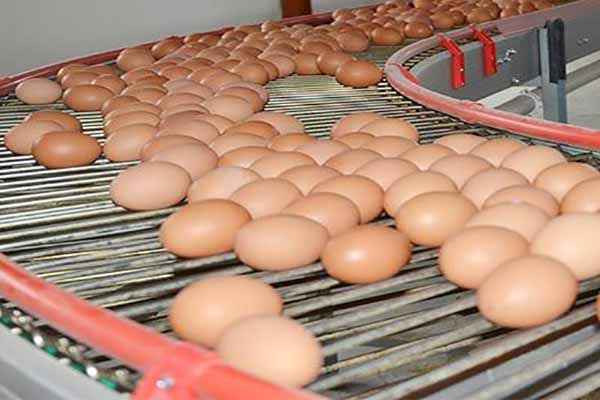
The purpose of professional farm design is to create an efficient production environment that supports stable operation and future development.
20,000 Layer Farm Layout Planning
A professional 20,000 layer farm layout should consider:
- Poultry house dimensions
- Cage row arrangement
- Working aisles
- Feeding routes
- Manure removal areas
- Equipment maintenance space
The layout directly affects:
- Labor efficiency
- Equipment operation
- Farm management convenience
A properly designed layout improves space utilization while ensuring sufficient access for workers and maintenance.
For commercial farms, the layout should balance:
- Production capacity
- Operating efficiency
- Animal welfare requirements
- Expansion possibility
Poultry House Design for Layers
Poultry house design for layers should be developed according to:
- Bird capacity
- Cage system type
- Local climate conditions
- Ventilation requirements
- Management methods
Important design elements include:
- House orientation
- Airflow direction
- Cage positioning
- Equipment arrangement
- Maintenance access
For Malawi conditions, poultry house design should especially focus on:
- Heat management
- Moisture control
- Air quality improvement
A well-designed poultry house creates a better environment for stable egg production.
Cage Capacity and Automation Planning
The cage system should match the complete farm design.
For a 20,000-layer project, planning should consider:
- Cage model
- Tier number
- House dimensions
- Automation requirements
A suitable automatic layer farming system normally integrates:
- Automatic feeding
- Automatic drinking
- Manure removal
- Environmental control
The correct automation level should balance:
- Initial investment
- Labor availability
- Long-term operating efficiency
Recommended Commercial Layer Farm Equipment Configuration
A complete commercial layer farm requires an integrated equipment system rather than individual machines.
For a 20,000 layer farm project in Malawi, the recommended equipment configuration should include:
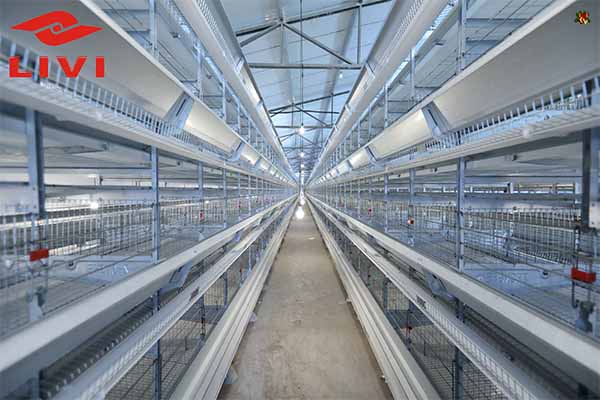
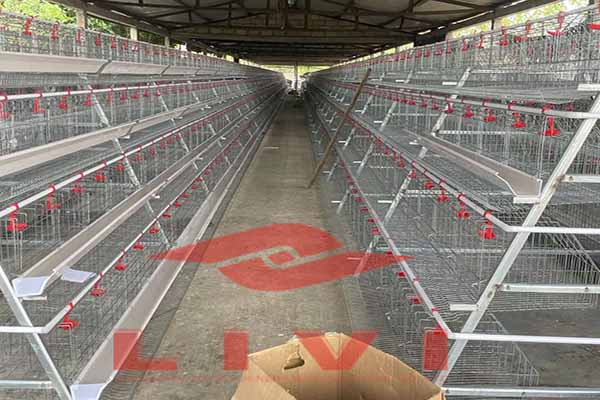
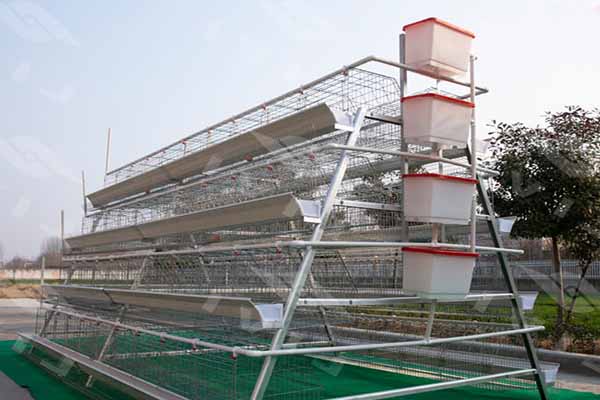
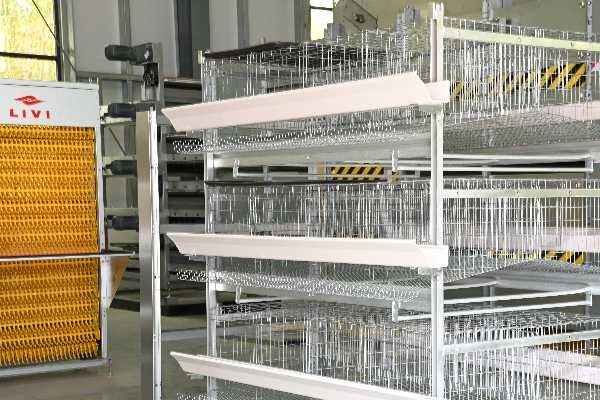
- H Type Layer Cage System
- Automatic Feeding System
- Automatic Drinking System
- Manure Removal System
- Ventilation and Environmental Control System
The equipment selection should match:
- Farm capacity
- Poultry house design
- Local climate conditions
- Investment plan
- Future expansion requirements
A properly integrated system improves production efficiency and simplifies daily farm management.
H Type Layer Cage System
The H Type Layer Cage System is the core production system for intensive commercial egg farming.
For a 20,000-layer farm, the cage system should be designed according to:
- Target production capacity
- House dimensions
- Cage arrangement
- Automation requirements
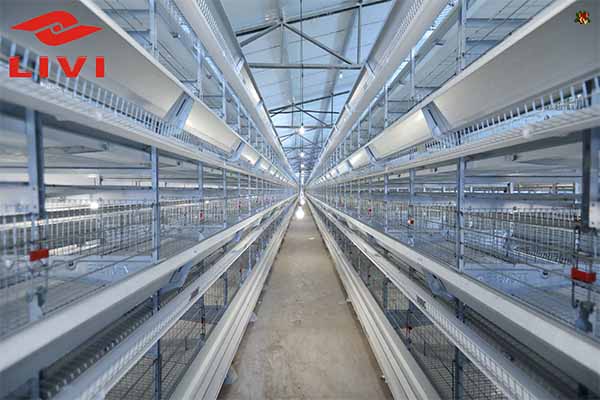
Compared with traditional farming methods, a modern H Type Layer Cage System provides advantages including:
- Efficient space utilization
- Better flock management
- Easier feeding control
- Improved manure handling efficiency
- Compatibility with automatic farm systems
For Malawi layer farm projects, the cage system should be selected together with the complete poultry house design to ensure proper airflow, equipment operation and maintenance access.
A professional cage configuration helps investors achieve:
- Higher production efficiency
- More predictable operation
- Better use of available land
Automatic Feeding and Drinking System
Feed and water management directly influence laying performance and daily operation efficiency.
An automatic feeding system helps provide:
- Uniform feed distribution
- Reduced feed waste
- Lower manual labor requirements
- More consistent feeding schedules
The drinking system is equally important for commercial layer farms.
A nipple drinking system provides:
- Continuous water supply
- Stable water pressure
- Cleaner drinking conditions
- Reduced water contamination risk
Together, automatic feeding and drinking systems create a more efficient production environment.
For a 20,000-layer farm, automation helps reduce daily management pressure and allows farm workers to focus on flock monitoring and production management.
Manure Management System
Manure management is an important consideration in commercial poultry farm design.
Without an effective manure removal system, farms may experience:
- Increased ammonia levels
- Higher cleaning workload
- Poor air quality
- More difficult daily management
An automatic manure removal system helps:
- Remove manure efficiently
- Improve poultry house hygiene
- Reduce manual cleaning requirements
- Support better environmental conditions
For Malawi poultry farms, effective manure management is especially important during humid seasons when moisture accumulation can affect air quality.
Ventilation and Environmental Control System
Climate control is one of the key factors affecting commercial layer farm performance.
A suitable ventilation system helps manage:
- Temperature
- Humidity
- Air movement
- Ammonia concentration
- Overall air quality
Typical environmental control equipment includes:
- Exhaust fans
- Air inlets
- Cooling equipment
- Environmental controllers
For a 20,000 layer farm in Malawi, ventilation planning should consider:
- Local temperature conditions
- Seasonal humidity changes
- Poultry house structure
- Stocking density
A properly designed environmental control system helps reduce heat stress and maintain stable production conditions.
20,000 Layer Farm Cost and Investment Structure in Malawi
The cost of a 20,000 layer farm in Malawi depends on multiple factors rather than only equipment price.
The total investment may include:
- Poultry equipment
- Farm building
- Automation level
- Transportation
- Installation
- Technical support
A professional project evaluation is required before confirming the final investment budget.
20,000 Layer Farm Equipment Cost Breakdown
A typical commercial layer farm equipment investment structure may include:
| Equipment Category | Estimated Investment Ratio |
|---|---|
| H Type Layer Cage System | 40-50% |
| Automatic Feeding System | 10-15% |
| Manure Removal System | Around 10% |
| Ventilation and Environmental Control | Around 15% |
| Installation and Technical Support | 5-10% |
The final cost distribution may vary depending on:
- Equipment configuration
- Automation level
- Project requirements
- Local installation conditions
Factors Affecting Poultry Farm Setup Cost in Malawi
The poultry farm setup cost in Malawi is influenced by several project factors.
Automation Level
Higher automation usually requires higher initial investment but can reduce long-term labor costs.
Main automation systems include:
- Feeding automation
- Manure removal automation
- Environmental monitoring
Poultry House Construction Requirements
The poultry house structure affects overall project investment.
Important factors include:
- House dimensions
- Construction materials
- Ventilation design
- Supporting facilities
A suitable poultry house design helps avoid future modification costs.
Equipment Configuration Selection
Different equipment combinations influence total investment.
For example:
- Basic equipment configuration
- Semi-automatic systems
- Fully automatic commercial systems
should be selected according to:
- Investment capability
- Labor availability
- Production goals
ROI Benefits of an Automated 20,000 Layer Farm
The value of a commercial layer farm should not only be measured by initial investment.
A properly designed automatic layer farming system improves long-term return through:
- Labor efficiency
- Production stability
- Better management control
- Lower operational risks
Labor Efficiency Improvement
Labor cost is one of the important considerations for commercial poultry farms.
Automation reduces repetitive daily tasks including:
- Feed distribution
- Manure cleaning
- Routine equipment operation
This allows farm workers to focus on:
- Bird health monitoring
- Production records
- Farm management
For a 20,000-layer farm, improved labor efficiency can significantly affect long-term operating costs.
Egg Production Stability Improvement
A complete poultry system helps create more stable production conditions.
Benefits include:
- Consistent feeding
- Reliable water supply
- Better environmental control
- Improved daily management
Stable production conditions help investors achieve more predictable egg output.
Manure Handling and Operation Efficiency
Automatic manure removal provides additional ROI benefits by:
- Reducing manual labor requirements
- Improving house cleanliness
- Supporting better air quality
Efficient manure management also improves the working environment for farm employees.
Long-Term Expansion Capability
A professional 20,000 layer farm solution should consider future development.
Expansion possibilities include:
- Additional poultry houses
- Increased flock capacity
- Higher automation level
A scalable design allows investors to expand according to market demand.
20,000 Layer Farm Project Implementation Process
A successful poultry project requires professional planning and execution from design to operation.
The main implementation stages include:
- Farm design
- Equipment manufacturing
- Installation
- Commissioning
- Operation training
Farm Project Design and Engineering Planning
The first stage focuses on creating a complete project plan.
It includes:
- Production capacity analysis
- Poultry house layout
- Equipment configuration
- Environmental control planning
A professional layer farm project design helps ensure that all systems work together properly.
Equipment Manufacturing and Quality Control
Before delivery, poultry equipment should complete quality inspections including:
- Material inspection
- Production inspection
- Component testing
- System verification
Quality control helps ensure reliable equipment performance after installation.
Installation and Technical Support
Professional installation support helps ensure:
- Correct equipment assembly
- Proper system adjustment
- Smooth farm operation
Technical support may include:
- Installation guidance
- Operation training
- System adjustment
A complete service process reduces project implementation risks.
Why Choose Livi Machinery for Malawi Layer Farm Solutions
Livi Machinery provides complete poultry farming solutions for commercial egg production projects.
The solution covers:
- Farm planning
- Commercial layer farm equipment
- System integration
- Installation support
- Technical assistance
The main systems include:
- H Type Layer Cage System
- Automatic Feeding System
- Drinking System
- Manure Removal System
- Environmental Control System
With experience in international poultry projects, Livi Machinery helps investors develop efficient, scalable and reliable layer farm systems suitable for Malawi and other African markets.
Frequently Asked Questions About 20,000 Layer Farms in Malawi
How much does a 20,000 layer farm cost in Malawi?
The investment depends on:
- Equipment configuration
- Automation level
- Construction requirements
- Transportation
- Installation service
A customized farm design is required to provide an accurate project budget.
How much space is needed for a 20,000 layer farm?
The required space depends on:
- Cage system type
- Poultry house design
- Equipment arrangement
- Future expansion plan
A professional farm layout should be completed before construction.
What equipment is included in a complete layer farm solution?
A complete solution normally includes:
- H Type Layer Cage System
- Automatic feeding system
- Drinking system
- Manure removal system
- Ventilation system
- Environmental control system
Should a 20,000-layer farm use automatic equipment?
For commercial production, automatic equipment is usually recommended because it improves:
- Labor efficiency
- Feeding consistency
- Farm management reliability
Why is ventilation important for Malawi layer farms?
Ventilation helps control:
- Heat stress
- Humidity
- Ammonia
- Air quality
It is especially important during hot and humid seasons.
Can a 20,000-layer farm expand in the future?
Yes.
A professional solution can reserve:
- Land capacity
- Infrastructure planning
- Equipment compatibility
for future expansion.
Build Your 20,000 Layer Farm Solution in Malawi
Developing a commercial egg farm requires more than purchasing poultry equipment.
A successful project combines:
- Professional farm design
- Suitable equipment configuration
- Climate adaptation
- Investment planning
- Long-term expansion strategy
Livi Machinery provides customized 20,000 Layer Farm Solutions in Malawi for investors developing efficient and scalable commercial egg production systems.
Contact Livi Machinery to discuss your poultry farm development plan.